Our first home together was discovered during one of our typical bike trips through Oakland, trying out a new taco truck and trespassing onto railroad tracks to photograph graffiti with the used DSLR Dinesh had bought me for my birthday. We landed in an obscure and isolated neighborhood named Jingletown and happened upon the Cotton Mill Studios.
Tall windows, bare brick, and wooden floors glittered with shrapnel from the factory work that once filled its walls attracted a mishmash of artists, designers, and dreamers to reoccupy the once vacant California Cotton Mill wedged between freeway and train tracks walkable only to taco trucks via bridge.
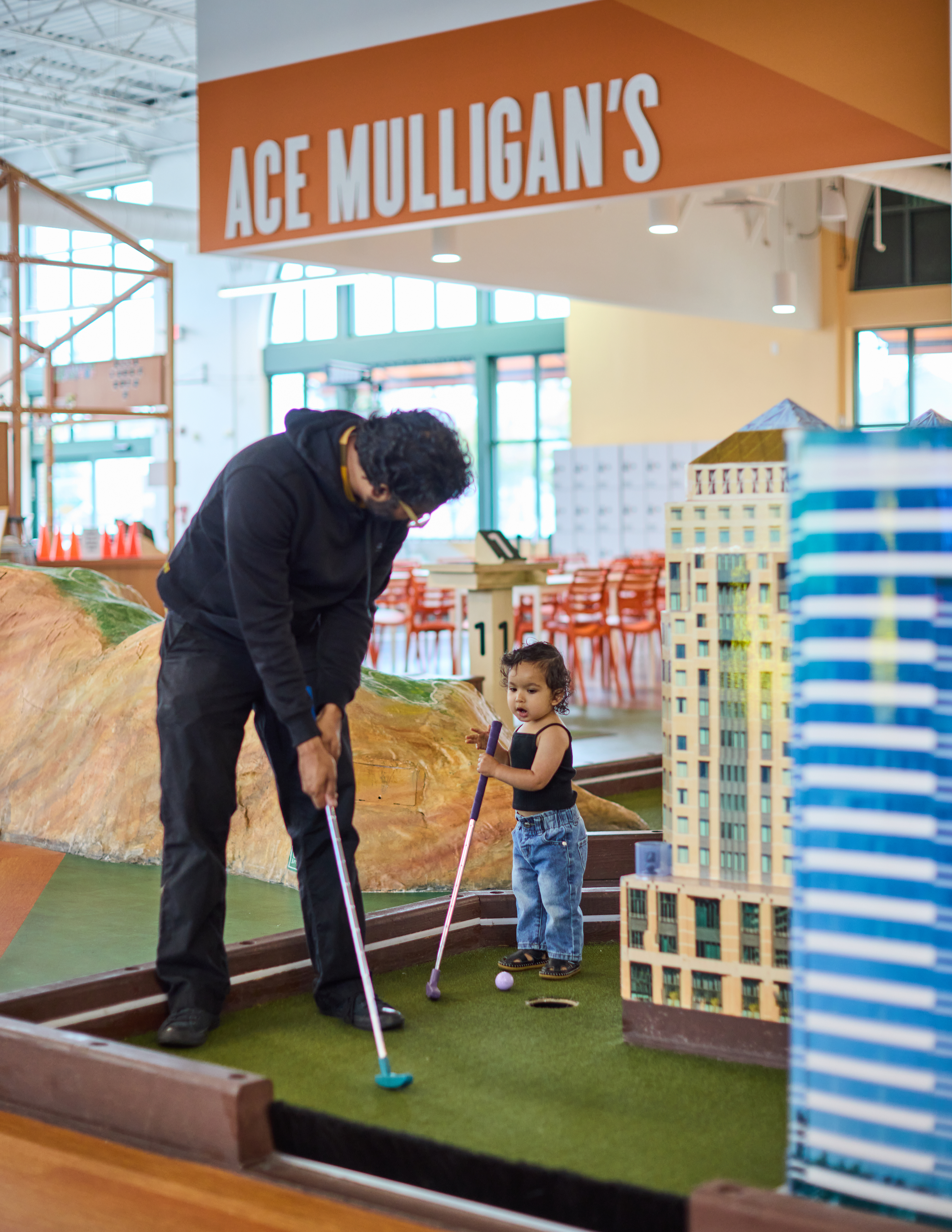
BYOB campfires evolved into a travelling bar cart and eventually a once-monthly open studios event featuring fashion shows, performances, and a design bazaar. The next step seemed crazy, but felt natural: rent a storefront, gather the designers, builders, and artists to collaboratively build a city, and open to the public as the first indoor mini golf course.
The 2010 campfire idea started a project that’s followed us throughout our career. A handful of landlord pitches and several completed locations throughout the Bay Area all led us to finding the perfect location for a new flagship course in Alameda.
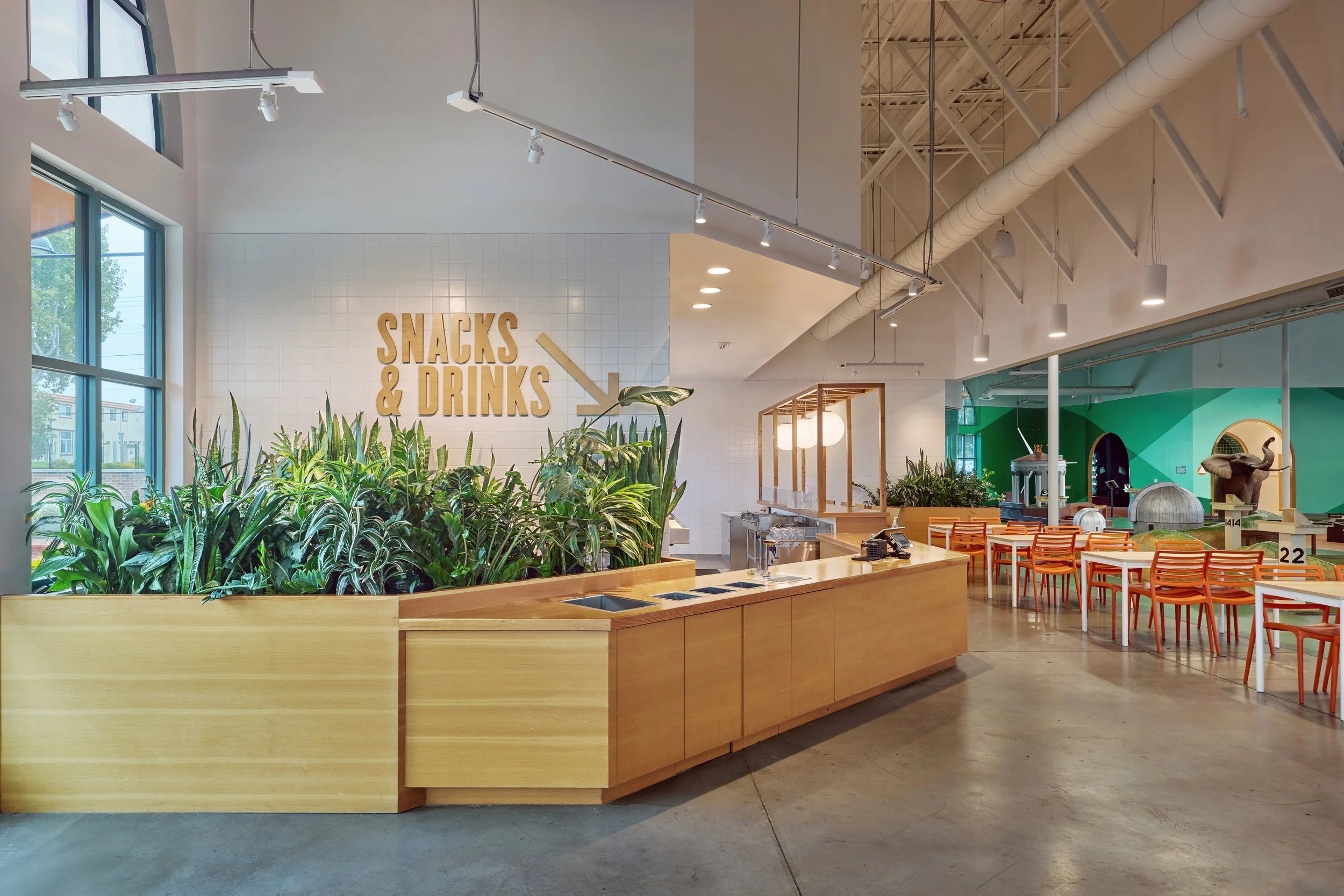
Jumping off a slew of pandemic store closures, including hundreds of Walgreens stores, a beautiful brick shell with uncompromising ceiling height and giant arched windows became available for a fantastic price and unmatched lease terms.
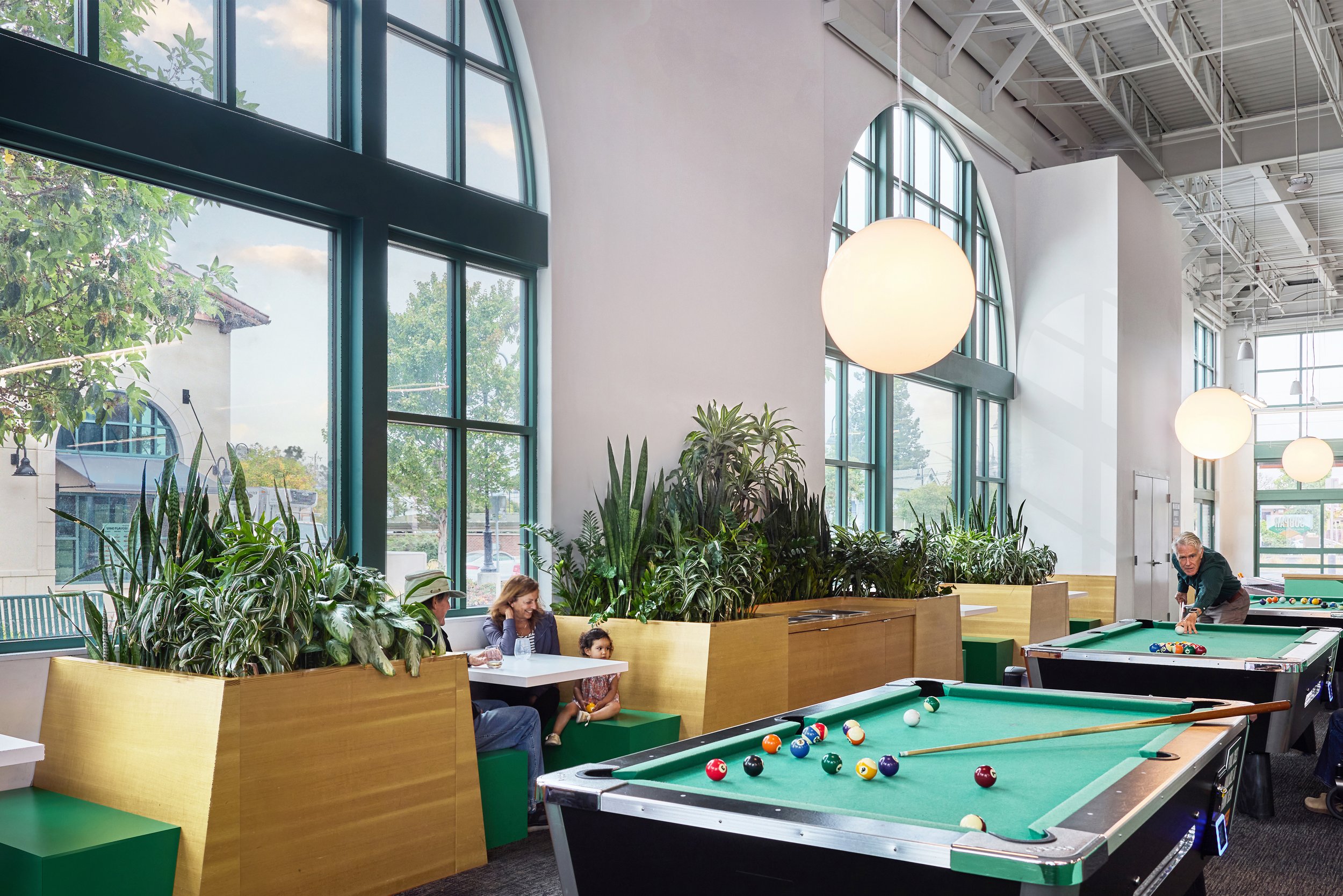
Walls were torn down to expose 14 giant arched windows pouring daylight into the space and connecting the neighborhood to the activity inside.

Something about miniaturization brings joy, playfulness and wonder to the world. We wanted to communicate both the tradition of golf as well as the imaginative world of miniature golf.
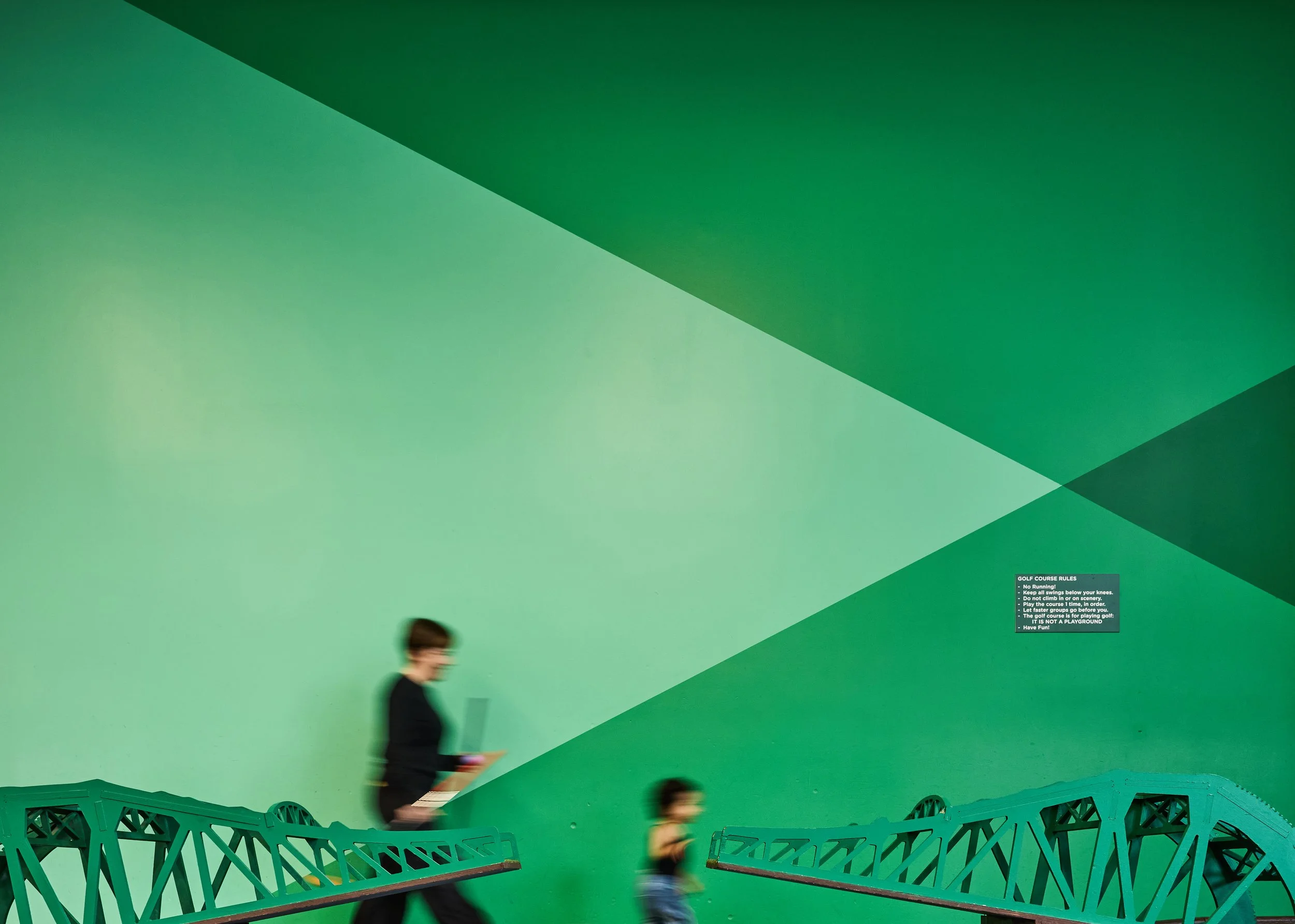
The layout of the space takes a large outdoor golf park, miniaturizes it, and brings it indoors. Green flooring adjoining the turf holes and live plants around its perimeter create the indoor park.
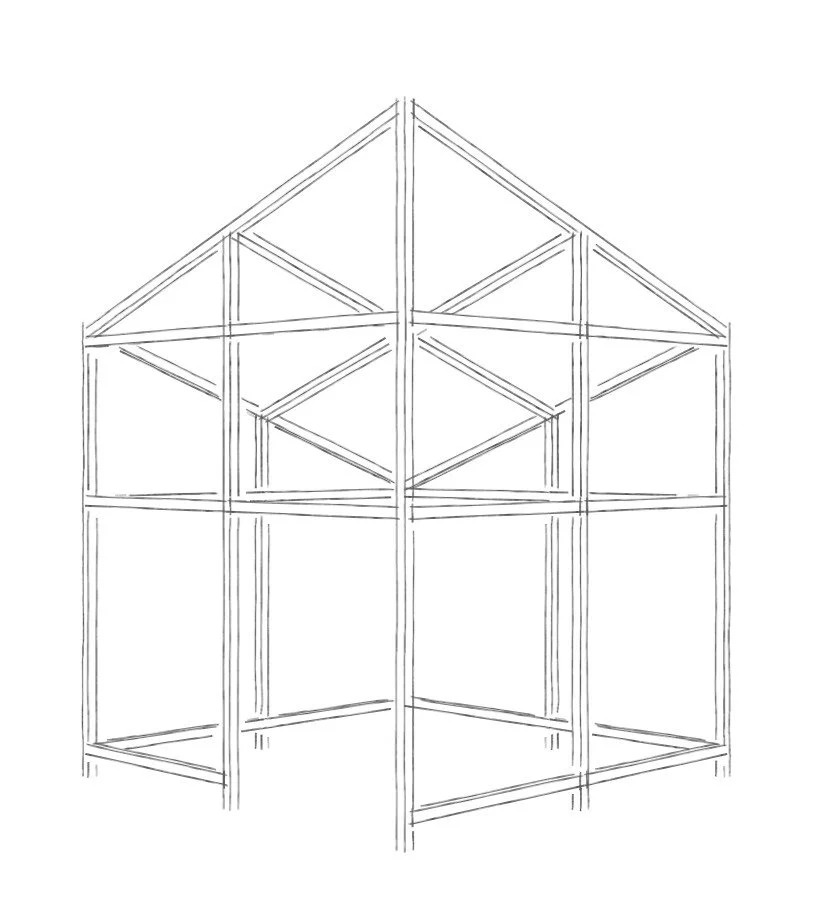
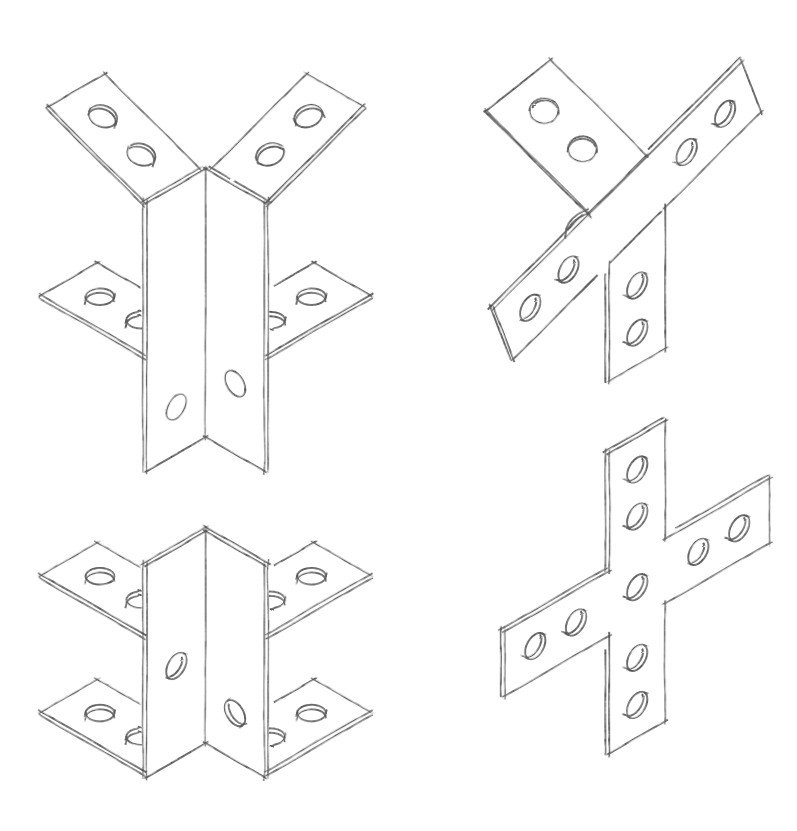
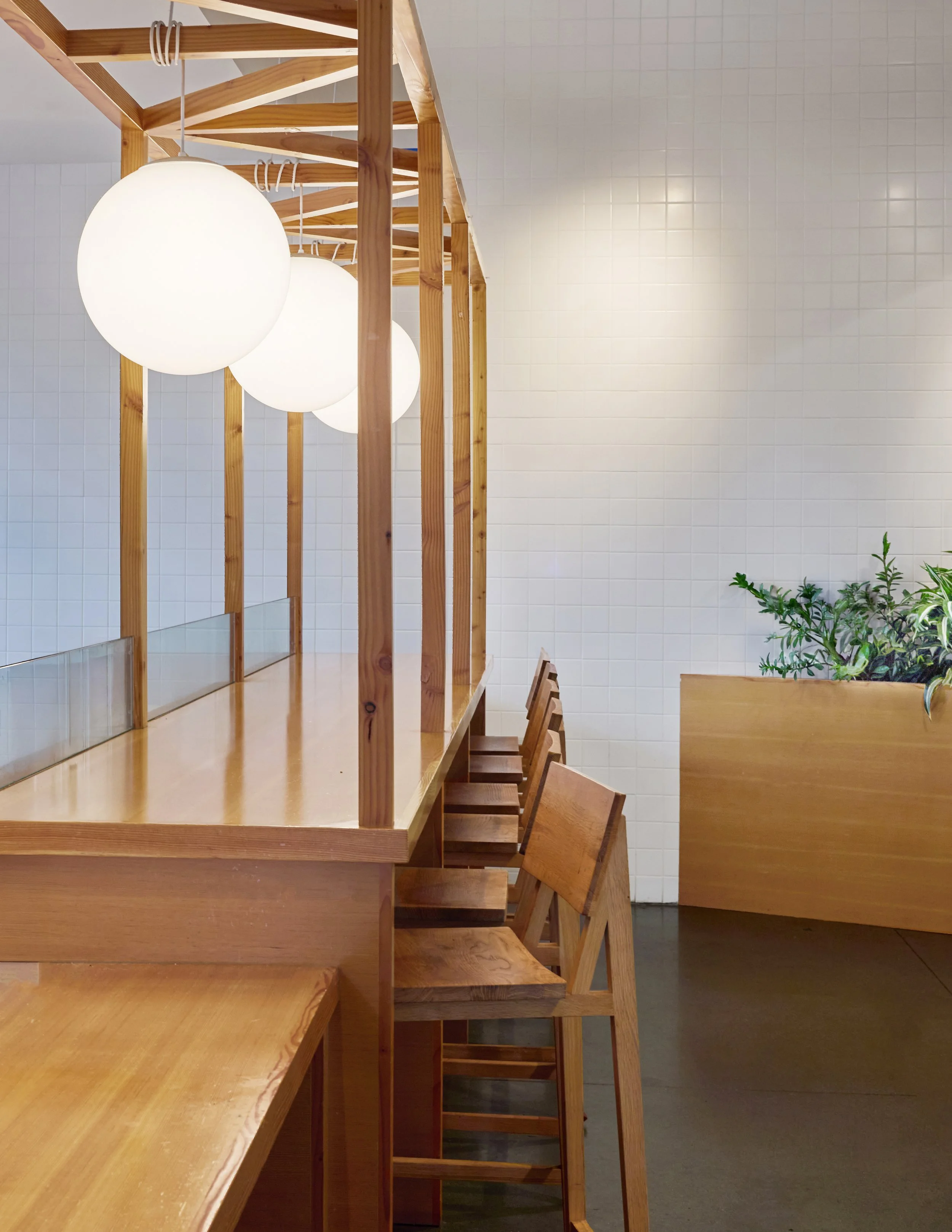
Allusions to golf culture are incorporated with a playful tone. Argyle supergraphics on the walls are repeated in the shape of the reception desk’s roof structure. Glowing white spheres akin to golf balls mark stopping points along the procession: reception, bar, restrooms, and billiards. Framed artwork offers a laugh with golf-themed reinterpretations of classic paintings. Large archways mimic the tunnel entry of the classic miniature golf obstacle.

Playful design features encourage a playful spirit. Wood trusses throughout the space reminiscent of scale-models feel like climbing structures. Pendant cords wrapped and tied in knots feel hand made. Bright colors create energy atop the white backdrop, while helping to define the area of the golf course, the arcade, and the bar.
A constant play on scale, miniaturized landmarks, oversized graphics and human-sized toys, create delight around every corner.
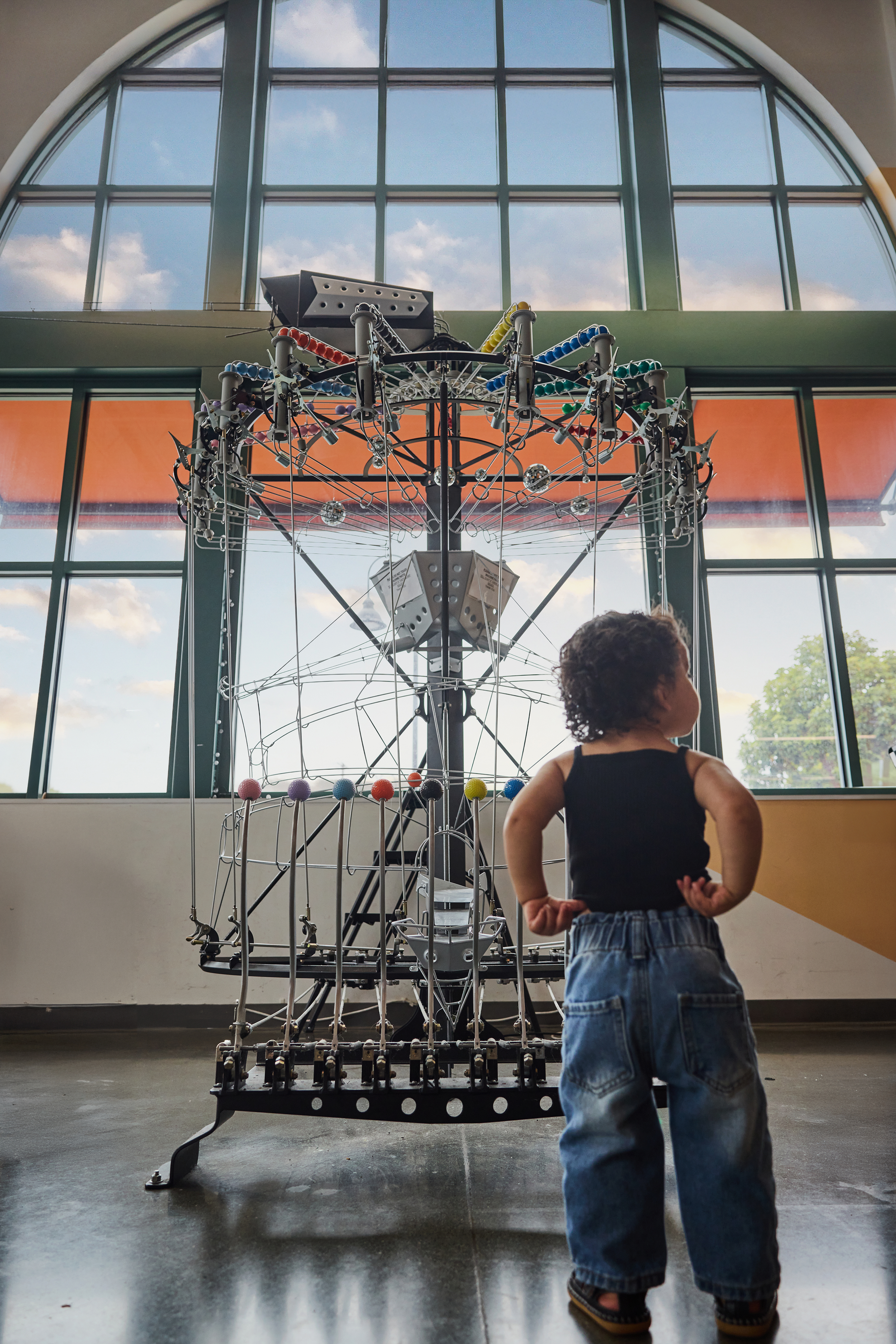
Each element is a unique addition created by a mix of creatives. The Cotton Mill’s game collector regularly updates the arcade. The Cotton Mill’s metalworker built a 15’ Rube Goldberg-esque ball sorter. A few of the sculptures were repurposed from the original course and a dozen new were created by an eclectic mix of artists, young and old.

The game concludes at the bonus 19th hole, where a simple plinth offers the course’s most prominent location to local artists in residence. The fun continues with offerings such as billiards posed alongside booth seating, an extensive arcade with free short plays, a full kitchen with bar service, and community rooms inviting gatherings from the community.